

Pastoralism & Natural Resources (page 31)
Payment for ecosystem services (PES) for pastoralists
Payment for ecosystem services (PES) is gaining popularity as an environmental and development policy tool. There have been important experiences in implementing PES in crop farming and forestry, but PES has seldom been applied for pastoralists in the rangelands. The study “Operationalizing payments for ecosystem services for pastoralists in rangeland settings” by Linda Pappagallo (2018, […]
“Values of pastoralism, with a focus on Eastern Africa” – open discussion briefing
At this year’s Tropentag conference in Ghent, CELEP had the opportunity to lead an open discussion about the values of pastoralism with a focus on Eastern Africa. The four members of the panel were : Dr Brigitte Kaufmann: Professor for Social Ecology of Tropical and Subtropical Land-use Systems at the University of Hohenheim. Dr Ann […]
Gender, land & mining in pastoralist Tanzania
In the Women’s Land Tenure Security Project (WOLTS), the development consultancy organisation Mokoro sought ways to improve gender equity in land-tenure governance and to secure the land rights of vulnerable peoples within pastoralist communities in Tanzania and Mongolia. In 2016–17, working together with the Tanzanian civil society organisation HakiMadini, it studied the state of and […]
Trends in collective land ownership, including pastoral
Rural communities are increasingly being recognised by statutory law as collective owners of their lands. The article “Collective land ownership in the 21st century: overview of global trends” (2018, 26pp) by Liz Alden Wily, published in the journal Land 7 (2), 68 (https://doi.org/10.3390/land7020068) examines the status of collective land tenure for communities around the world, […]
Land-use changes threatening pastoralism in East Africa
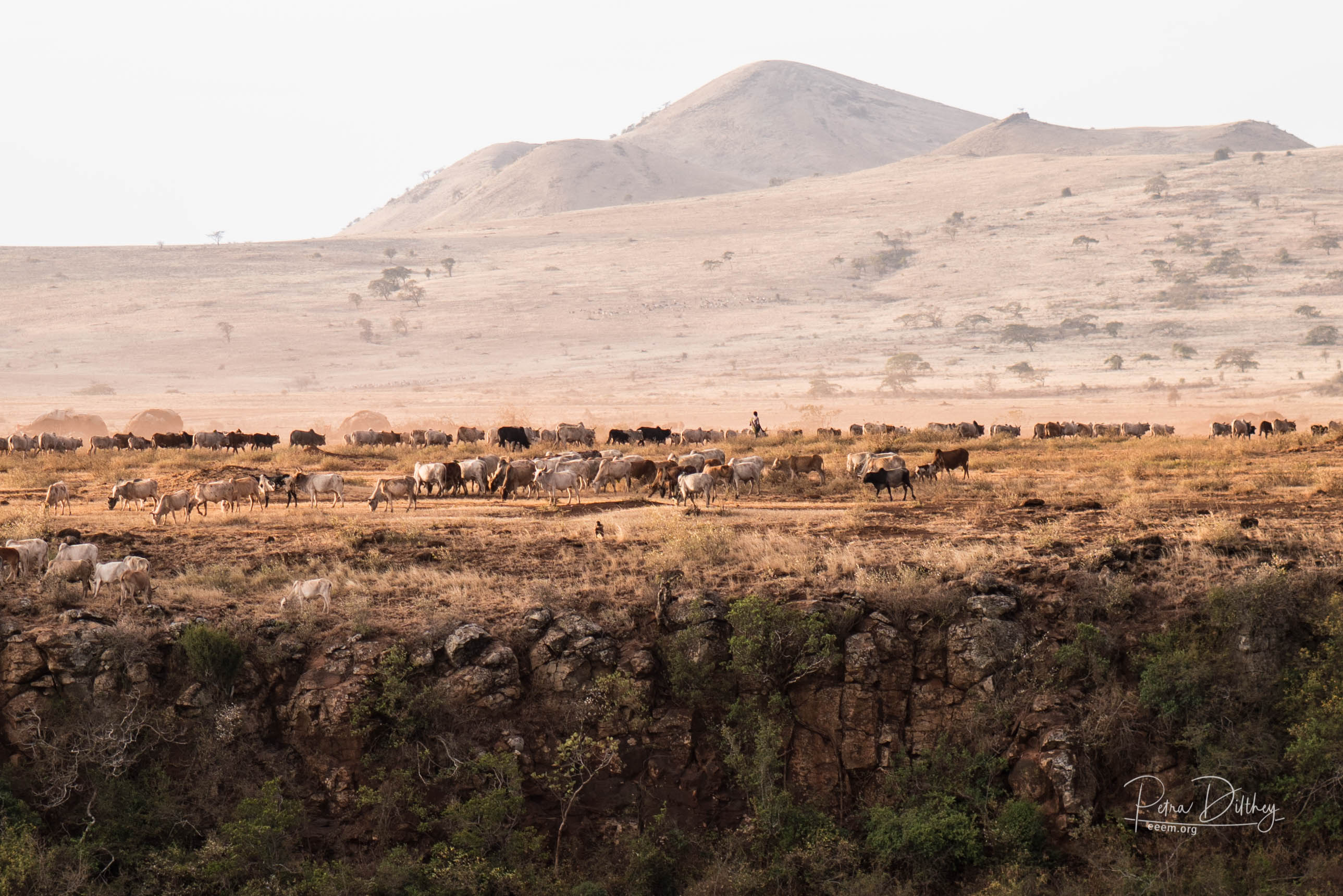
Pastoralism in Eastern Africa is threatened by various trends in land use: expansion of arable farming, pastures enclosure, nature conservation initiatives, tourism and extraction of natural resources. The CELEP policy brief “Sustainable pastoralism and land-use change in the East African drylands” (2018, 6pp) examines how these changes in land use have a negative impact on […]